On 26 March 2026, Curating and Coalition: Challenging and Expanding the Art World in the Wake of Nnena Kalu’s Turner Prize Win brought together curators, scholars, disability advocates and cultural leaders at Kingston University’s Town House.
Presented by ActionSpace, in partnership with Stanley Picker Gallery and Kingston School of Art PhD candidate Lisa Slominski, and supported by Arts Council England, the symposium explored how practices such as Nnena’s are interpreted, supported, and sustained within contemporary art.
Developed in the wake of Nnena’s Turner Prize win, the symposium positioned this moment not as a conclusion, but as a prompt for ongoing sector change—foregrounding the curatorial, institutional, and relational conditions that shape how artistic practices are recognised and valued.
Panellists and Speakers
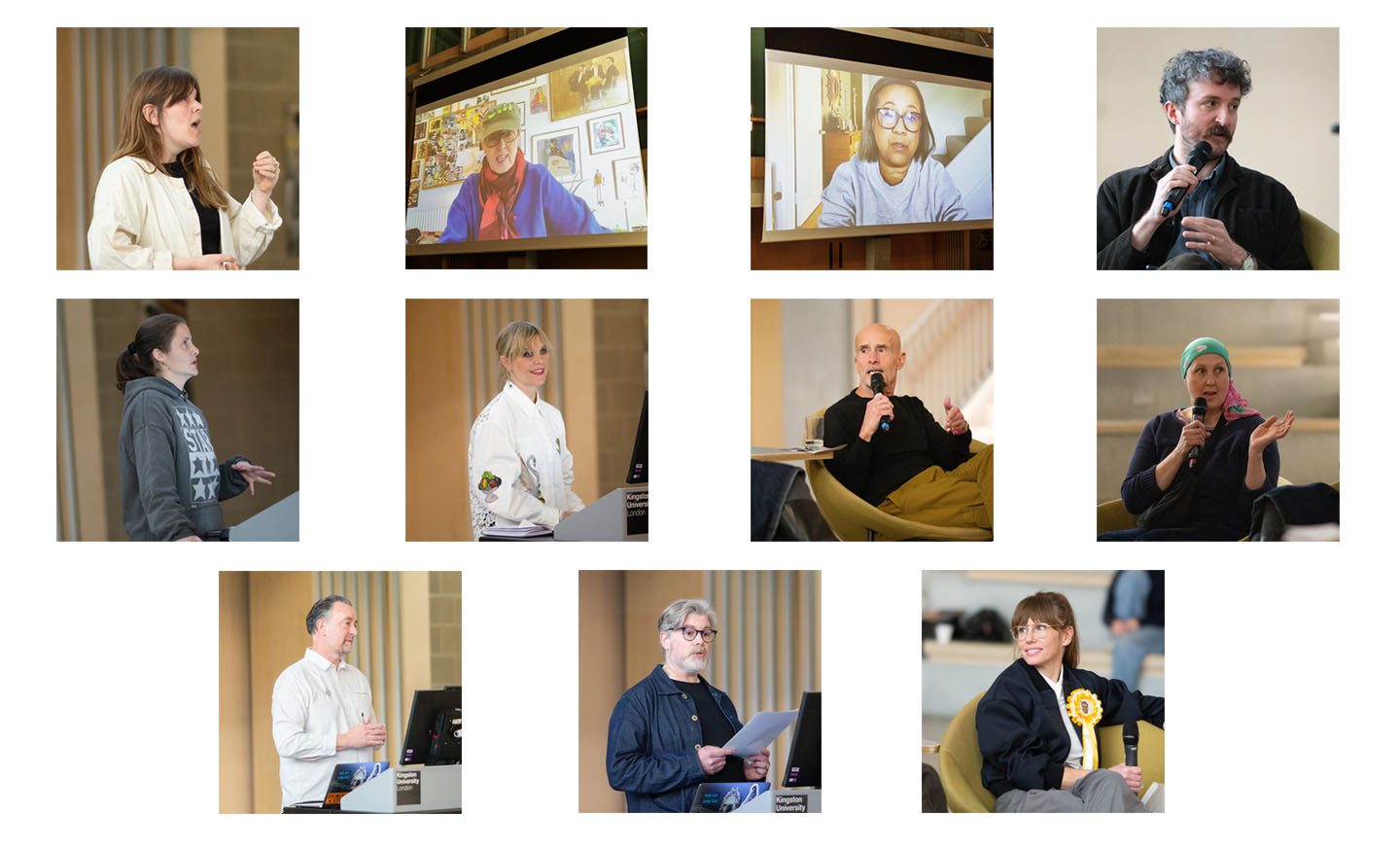
Panellists included Rózsa Farkas – Founder and Director, Arcadia Missa Gallery, Jes Fernie – curator, writer and lecturer, Charlotte Hollinshead – Head of Artist Development, ActionSpace, Tom di Maria – Director, Arts Access for All, Lou Mensah – Founder of Shade Media, Gabrielle Mordy – CEO/Artistic Director, Studio A, Michael Richmond – curator at Yorkshire Contemporary, and Linsey Young – curator, researcher, and ActionSpace Trustee.
Guest speakers were David Falkner – Director, Stanley Picker Gallery, Peter Heslip – Director of Visual Arts, Arts Council England, with Lisa Slominski as Event Chair.
Brief biographies of the panellists and partners can be downloaded HERE
Recordings
It was a full and informative day, with many poignant contributions. Please listen to our speakers here:
Morning
Introduction & welcome
1 David Falkner – Director, Stanley Picker Gallery
2 Peter Heslip – Director of Visual Arts, Arts Council England
Panel 1: Curatorial Methodologies: Expanding Strategies and Representation
3 Introduction – Lisa Slominski, Event Chair
4 Linsey Young – Independent Curator and Researcher
5 Michael Richmond – Curator, Yorkshire Contemporary
6 Lou Mensah – Founder of Shade Media
7 Jes Fernie – Curator, Writer and Lecturer
8 Discussion
Afternoon
Panel 2: Cultural Intermediaries: Facilitation, Coalition and Advocacy
9 Introduction – Lisa Slominski
10 Charlotte Hollinshead – Head of Artist Development, ActionSpace
11 Rózsa Farkas – Founder and Director, Arcadia Missa Gallery
12 Tom di Maria – Director, Arts Access for All, USA
13 Gabrielle Mordy – CEO/Artistic Director, Studio A, Australia
14 Discussion
All recordings are available on ActionSpace’s YouTube channel – Symposium 2026 playlist – HERE
Context
Symposium: Curating and Coalition was instigated by ActionSpace and curator-researcher Lisa Slominski’s ongoing PhD research at Kingston School of Art, which engages with Nnena Kalu‘s artistic practices, and examines the roles and responsibilities of cultural intermediaries, agency and representation engendering greater diversity in the contemporary visual arts. Using Nnena Kalu’s Turner Prize win as an important contemporary case study, the symposium asked how moments of increased visibility can lead to significant and more lasting change across the sector.
The day brought together curators, academics, gallerists and supported studio leaders to consider the relationships, infrastructures and forms of labour that shape artistic recognition. Across two panels, speakers explored questions of authorship, interpretation, advocacy and access, alongside the vital role of supported studios and other cultural intermediaries in sustaining artistic practice. The recordings gathered here offer critical reflections and practical insights for organisations seeking to engage more thoughtfully and ambitiously with learning disabled artists now and in the future.
“Kalu’s work challenges the art world to rethink its assumptions about authorship, interpretation, and agency. It asks institutions to expand the frameworks through which contemporary art is understood.”
— Lisa Slominski, Curator, Researcher, and Symposium Chair
“ActionSpace has received messages from schools across the world saying that Nnena’s Turner Prize win has encouraged their learning disabled students to pursue their dreams because success is within their grasp. We owe it to Nnena and all the other talented learning disabled artists working today to make sure this is not a one-off, but the beginning of a wider movement towards greater accessibility and inclusion in the cultural sector.”
— Sheryll Catto, Artistic Director and CEO, ActionSpace
“If we’re serious about changing the story, we have to shift the focus from the individual to the barriers our systems create. When those barriers are dismantled, our sector becomes richer for it.”
— Peter Heslip, Director of Visual Arts at Arts Council England
“It was very special for us to host Nnena Kalu at Stanley Picker Gallery, so soon after her Turner Prize win, as part of ‘Super Trouper’ and our wider ‘Attack Decay Sustain Release’ programme. For this all to be accompanied by the brilliant ‘Curating & Coalition’ symposium, bringing together so many creative professionals and allies, felt like an opportunity for the whole sector to both celebrate and reflect upon Nnena’s seismic achievement, and we are incredibly proud to have been able to support it.”
— David Falkner, Director Stanley Picker Gallery, Kingston University
Key Takeaways
1. Nnena Kalu’s Turner Prize win marks a structural shift, not just an individual achievement.
“This is clearly a watershed moment for arts and disabilities, a total shifting of the traditional art paradigm.” Eddy Frankel, The Guardian, May 2025
2. Supported studios must be recognised as key cultural intermediaries.
Speakers stressed that supported studios are not simply sites of assistance, but critical infrastructures within the contemporary art ecosystem. They sustain artistic practice, build institutional relationships, and advocate for artists’ work across galleries and museums.
“I believe supported studios, as ultraprogressive, inclusive and open-minded spaces, offer us insights into why and, crucially, how we might radically reimagine the artworld, education and society.” Richard Phoenix, Art Review, February 2025
3. Expanding curatorial and critical frameworks is essential
The symposium highlighted the need to rethink how artworks are interpreted when an artist’s communication does not align with normative expectations. Practices such as Kalu’s call for more relational curatorial approaches—ones that can hold uncertainty while still recognising artistic agency.
“Kalu works between the elective and the given. This is as true of her drawings as it is of her sculptural works. The repetitive spiralling vortices of her drawings all depend as much on where she leaves off, on their returns and alterations, on flow and variation, as they do on the body transcribing its actions on to paper. They are riotous and rhythmic, purposeful and compelling. There’s no fudging. Kalu deserves to win this year’s Turner prize.” Adrian Searle, The Guardian, 23 September 2025
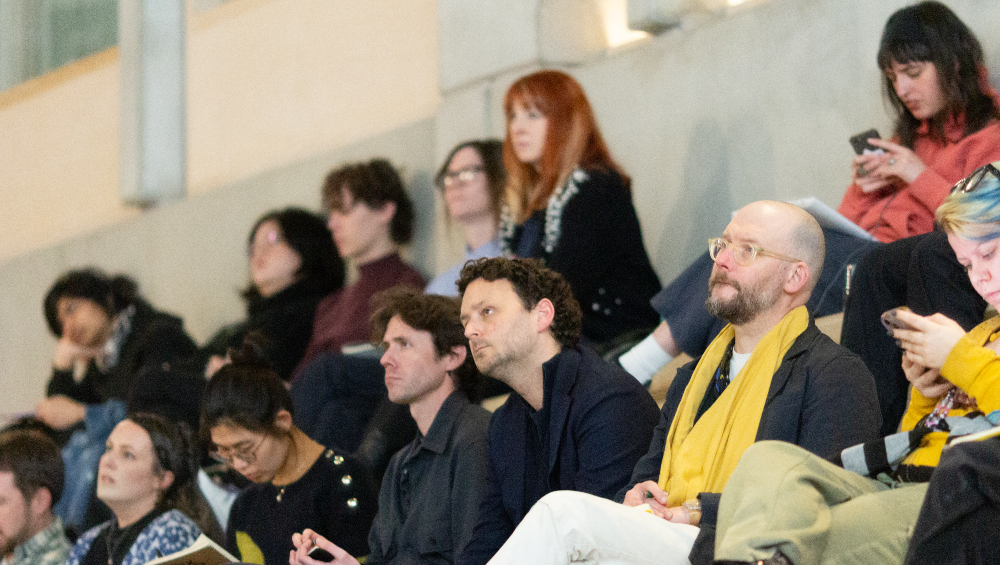
From our audience
“This was a great day. I learned a lot from the variety of panels, and it was particularly interesting to hear speakers from both UK institutions and international organisations stress the importance of leaning into diversity. The symposium made more visible the processes of support, collaboration and care that always exist in the making of art, and I am certain that it will benefit my own practice curating in the public realm.”
Megan O’Shea, Contemporary Art Society
“I came away from this symposium with so many new ideas, thoughts and approaches. They’ll stay with me for a long time – and will undoubtedly resonate in my work with museums and arts organisations, as both a consultant and board member. It was such a generous and enlivening event, a space to shake off assumptions and an opportunity to think about what it means to truly support artists.”
Thomas Marks, Partner, Marks|Calil
Next Steps
The symposium forms part of a longer-term programme of research and sector development. Its discussions and key takeaways, alongside Lisa Slominski’s ongoing doctoral research, will inform a set of guiding principles for art professionals engaging with learning disabled artists, planned for release in spring 2027. Intended as a practical and reflective resource, these principles will support more thoughtful, equitable and sustainable approaches to authorship, interpretation, and institutional change.
Download Symposium Poster HERE
Download Press Release HERE
Photo credits:
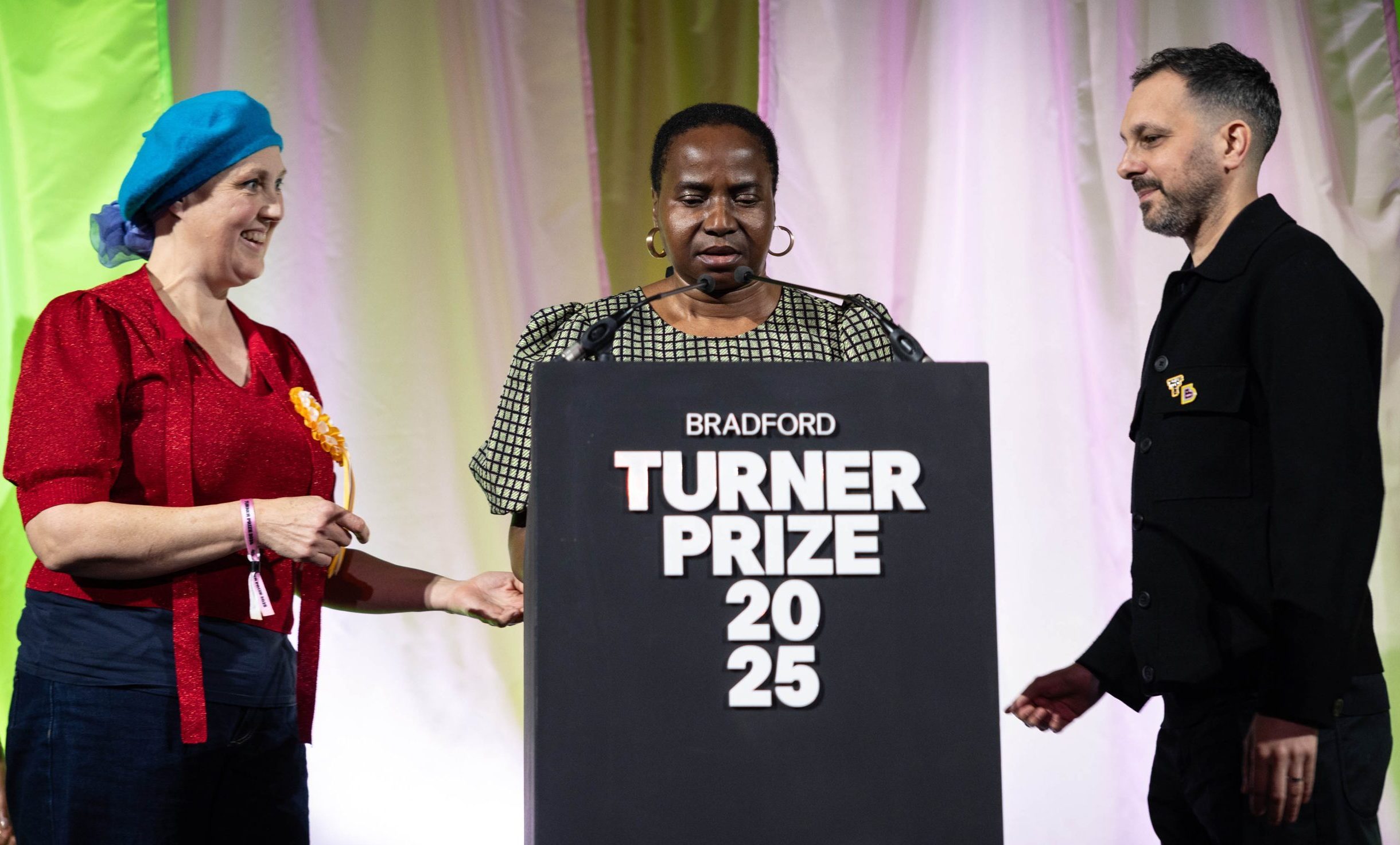
Top: Charlotte Hollinshead, Nnena Kalu and Steven Frayne at Turner Prize announcement- photo by James Speakman/PA Media Assignments.
Top row: Linsey Young, Jes Fernie, Lou Mensah, Michael Richmond; middle row: Rózsa Farkas, Gabrielle Mordy, Tom di Maria, Charlotte Hollinshead; bottom row: David Falkner, Peter Heslip, and Lisa Slominski. Photos by Denis Colebourne, courtesy of Stanley Picker Gallery.
Bottom: Symposium audience. Photo by Denis Colebourne, courtesy of Stanley Picker Gallery.

